About me
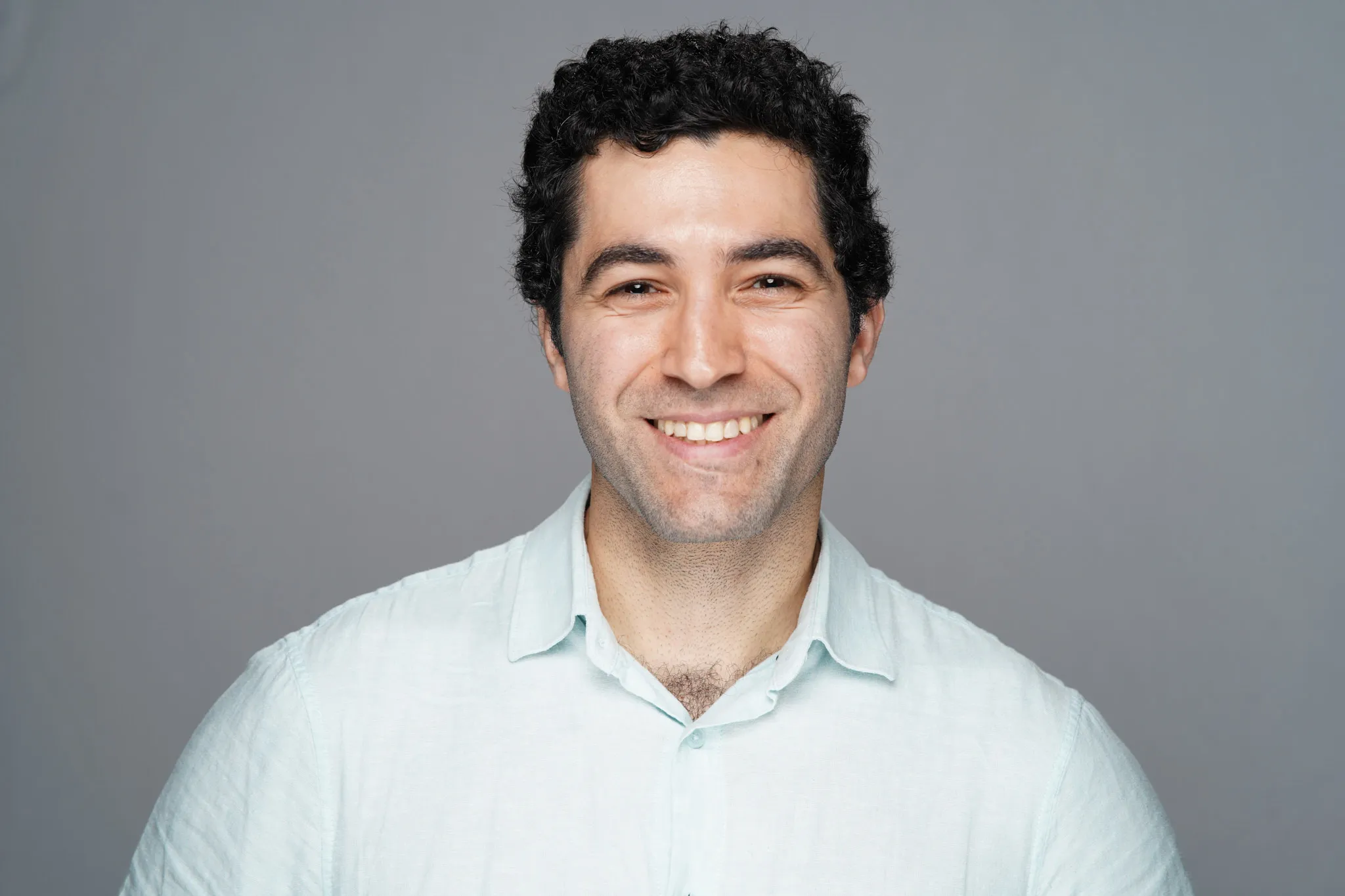
Ramin Sakhtemani, PhD
Hello! I'm Ramin Sakhtemani, a chemist turned computational cancer biologist.
After graduating with a BSc in Chemistry from University of Tehran, I moved to the USA to pursue a PhD at Wayne State University. There, I had to decide whether to continue my education in something familiar, like organic chemistry, or to walk into the unknown and follow my stronger interest. Despite a lack of any biology background, I joined the biochemistry program. I did so because I was fascinated by biology and the theory of evolution.
During my PhD, I worked on enzymatic deamination of cytosine bases by AID/APOBEC3 enzymes. This is one of the main endogenous mechanisms by which DNA mutations arise, with major implications in cancer. My doctoral dissertation focused on developing a novel DNA sequencing method to map genomic uracils to characterize those deaminase enzymes. This pulled me into the world of coding and bioinformatics. I built on these skills during my postdoctoral work at the Krantz Family Center for Cancer Research at Massachusetts General Hospital.
I currently work at Frederick National Laboratory for Cancer Research, where I contribute to the Sherlock-Lung Study, a research initiative investigating the causes of lung cancer in never-smokers. My research sits at the intersection of computational biology and cancer genomics. I'm especially interested in deciphering the mutational processes that shape cancer genomes.
Research Interests
- Cancer Genomics & Tumor Evolution Characterizing the genomic landscape of tumors (somatic mutations, copy number alterations, and structural variants) to understand how cancers evolve and acquire resistance to therapy.
- Computational Methods for Multi-Omics Data Developing and applying bioinformatic pipelines to integrate genomic, transcriptomic, and clinical data at scale. Developing tools for data analysis and visualization.
- DNA Damage, Repair & Mutagenesis Investigating how DNA lesions, such as cytosine deamination events, contribute to mutational processes in cancer. Developing sequencing-based approaches to map DNA damage at nucleotide resolution.
Education
-
Postdoctoral Training
Cancer Genomics and Computational Biology
Massachusetts General Hospital, Boston, MA (2020-Present)
-
PhD
Molecular Biology
Wayne State University, Detroit, MI (2014-2020)
-
BSc
Applied Chemistry
University of Tehran, Tehran, Iran (2010-2014)
Curriculum Vitae
Please visit my Harvard Catalyst profile, LinkedIn, or view/download my CV.
CV LinkedIn Harvard Catalyst